
Mortgage banking document automation stopped being a side project once lenders began treating document generation as an operational control point, not just a productivity tool. In mortgage operations, the real challenge is not only reading incoming files. It is turning approved, structured loan data into accurate disclosures, closing packages, notices, and borrower communications at the right moment, in the right format, with the right logic applied every time.
Mortgage workflows produce a high volume of borrower-facing and regulator-sensitive documents. Once data exists in the loan origination system, pricing engine, servicing platform, or compliance workflow, teams still have to turn that data into documents that are complete, correctly formatted, and consistent across the file. That is where data-to-document automation matters.
What makes this different from a generic workflow tool is the volume and sensitivity of mortgage documentation. Lenders generate loan applications, disclosures, approval letters, servicing notices, and closing packages across products, jurisdictions, and borrower scenarios. If those outputs are prepared manually, small inconsistencies spread fast across the process and become expensive to catch later.
That is why enterprise lenders increasingly focus on controlled generation from trusted data sources, rather than relying on manual assembly inside disconnected office tools. If you want a broader view of how lenders connect document flow to approvals, this overview of how banks use document automation to speed up loan approvals is a useful companion.
Mortgage document automation works best when structured data moves through a data-to-document pipeline in a predictable order. The sequence is simple, but the control points matter. Data is gathered from one or more systems, mapped into governed templates, evaluated with conditional and calculation logic, reviewed against business rules, and then generated into the formats needed by operations, compliance, borrowers, or downstream partners.
The first step is data assembly. Mortgage documents rarely depend on one source alone. A closing disclosure, approval package, or borrower notice may need values from the loan origination system, CRM, pricing engine, servicing data, and jurisdiction-specific business rules.
Template logic comes next. Once the system has the right inputs, it needs to decide what content appears, what sections repeat, what language changes by product or state, and what calculations should be rendered inside the document. This is where governed templates outperform manual document preparation because the logic lives inside the template layer instead of inside ad hoc user behavior.
The last one being validation checks. Whether the output is complete and internally consistent before the document is distributed or stored.
If the data cannot survive validation before document generation, the output is not ready for production.
That mindset is why the architecture is more reliable than a simple mail merge or office automation workflow. In a mortgage environment, the difference between "generated" and "trusted" is everything, especially when downstream teams rely on the output for disclosures, audit readiness, or closing execution. The same architecture is also what makes API-first integration valuable, since the system can generate verified documents directly inside operational workflows without copy-paste work. API-first document generation for enterprises . An API integration is more than just a technical to-do list item; it's a strategic move that aligns your data with your operations.
For teams building this architecture, the key design question is not whether a document can be produced, but whether it can be produced consistently from trusted data with minimal manual intervention. That is where the pipeline earns its keep.
The first move is always a frank assessment of your current systems. Your most critical data—the lifeblood of your operation—probably lives in a Loan Origination System (LOS), a Customer Relationship Management (CRM) platform, or even a tangled web of complex spreadsheets. These are the goldmines of information that your new automation tool will tap into.
You need to get specific and pinpoint exactly where key borrower information is stored
To head this off, map out your primary data sources for a typical loan file:
Once you know where all the data lives, the integration plan starts to take shape.
This is where you move past basic mail-merge and unlock the real power of mortgage banking document automation . A smart template isn’t just a digital form. These templates are dynamic, responsive. The engine is integrated with your core systems, to populate these template with data from multiple datasources.
Think of it like creating a blueprint for accuracy and speed. You start with a critical document, maybe a Loan Estimate. But instead of leaving blank spaces for someone to fill in manually, you insert dynamic fields . These are essentially placeholders and the engine automatically pull data directly from your Loan Origination System (LOS) or CRM to populate them. Borrower names, loan amounts, and property details flow right into the document without a single keystroke.
The real game-changer is conditional logic . This is what allows the template to essentially think for itself. For example, you can set up a rule that automatically includes specific legal clauses required for an FHA loan but leaves them out for a conventional one. The system simply checks the loan type in your data source and adjusts the document on the fly.
Another area where this shine is with tables for amortization schedules or fee summaries. A smart template can generate complex formatting, like tables dynamically, adding or removing rows based on the loan's specific details.
Arithmetic checks matter more than they get credit for, especially on disclosures and calculated fields. If a template can generate totals, subtotals, or derived values, those calculations need to be tested before distribution, not after a borrower, auditor, or operations reviewer catches an error. Cross-document consistency checks are just as important, since the borrower name, property address, loan identifiers, and figures should line up across the package. Arithmetic calculations in documents and loops, lists, and repeat sections show the mechanics clearly.
Access barriers, language coverage, and jurisdictional differences all affect whether documents are received, understood, and completed on time, which is why multilingual generation matters in production rather than as a nice extra. Multi-lingual document generation is relevant here because it addresses the operational need to produce the same document set across languages without fragmenting control.
The distribution layer matters too. Documents often need to move instantly through email, e-sign, print, or cloud storage, depending on what the borrower can use and what the workflow requires. If the lender assumes one delivery path, the process tends to stall at the exact point where speed was supposed to improve.
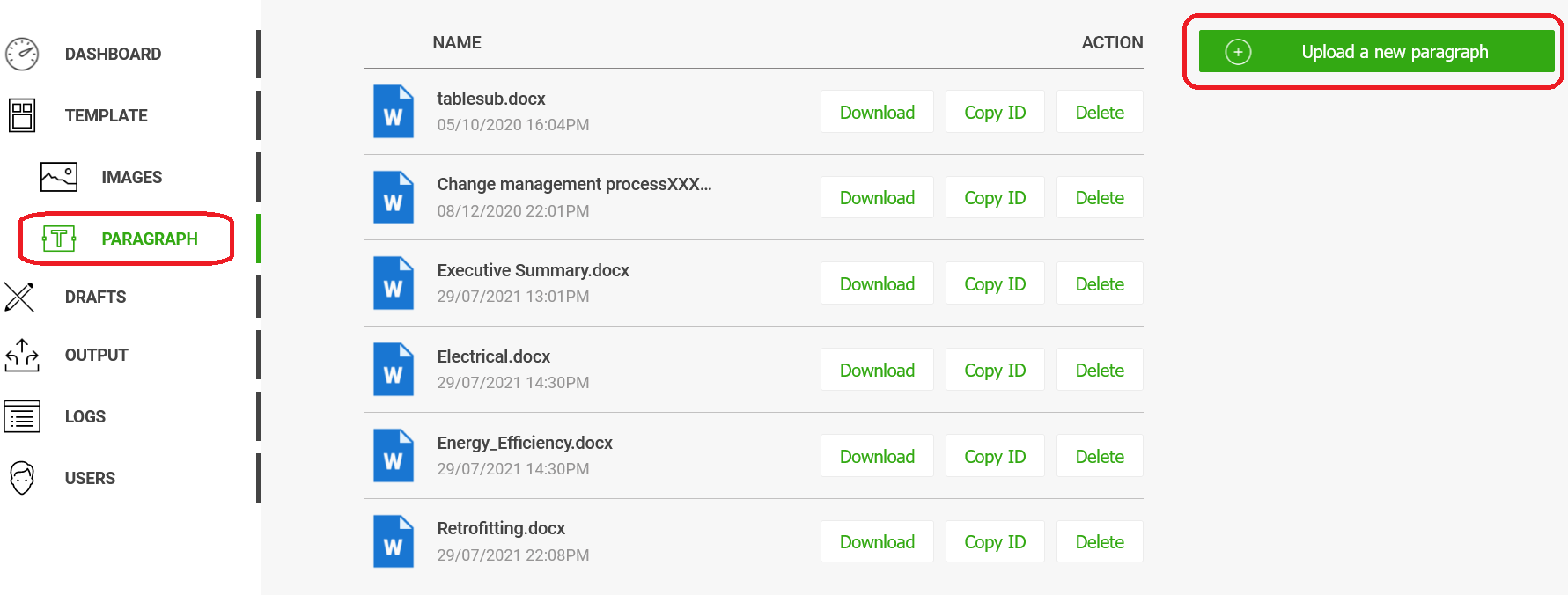
Let's look at how this works in the real world with a platform like EDocGen. You can manage all your templates from a clean, central repository.
This kind of centralized hub is crucial for brand governance and ensures your teams are always using the correct, most up-to-date versions of every document.
Right inside the EDocGen template builder or native editors, a loan ops manager—with zero coding experience—can do some powerful things:
By building intelligent templates, you're not just digitizing paper—you're creating a reliable, scalable system that guarantees accuracy and compliance. If you want to explore these capabilities further, you might find our guide on approval document workflow guidance helpful. This is truly the foundation of an efficient modern mortgage operation.
Centralized Template Governance
Enterprise mortgage teams do not just need document generation. They need controlled document generation across loan types, jurisdictions, brands, and business units. Mortgage operations generate loan applications, tax forms, disclosures, notices, and closing artifacts, and the template logic has to remain consistent as each output changes over time.
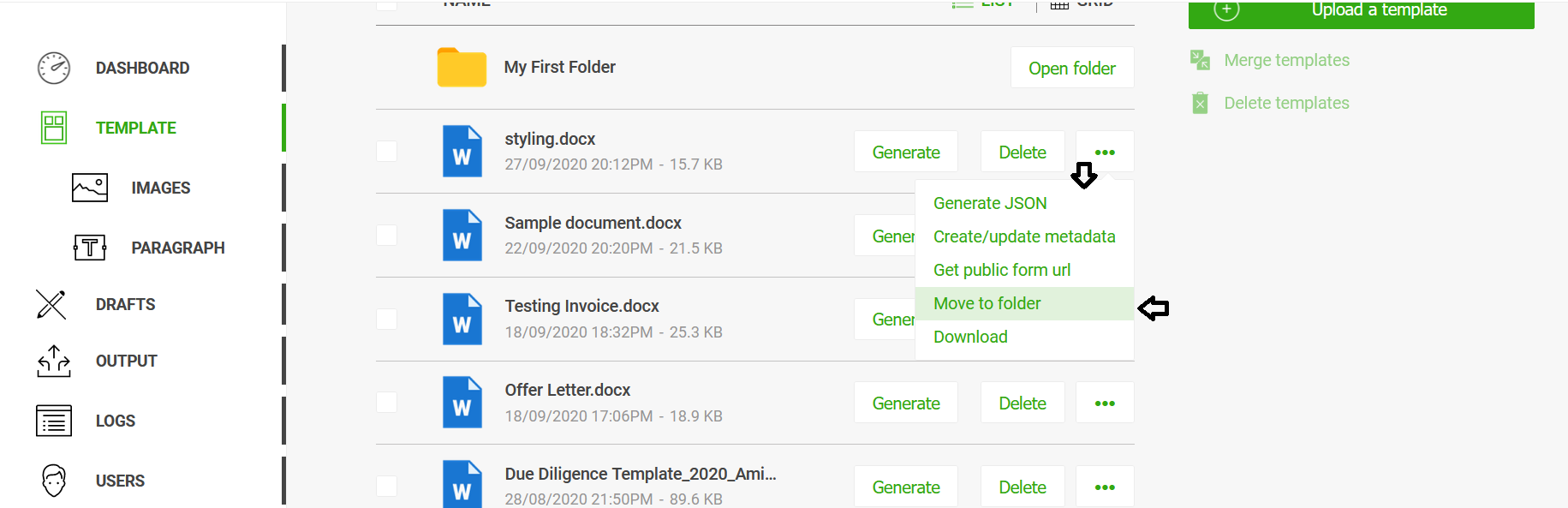
One governed template layer can produce Word, PDF, PowerPoint, Excel from single or combined data sources, which matters when the same borrower and loan data needs to feed multiple artifacts across origination, closing, and servicing.
That is why business-user control matters. When teams can tag templates and apply conditional logic without a developer in the loop, they can keep pace with product changes, regulatory edits, and branding updates without turning every revision into a code deployment. The maintenance burden is where many custom systems break down, especially when a simple rule change affects multiple document families at once.
A centralized repository also helps with consistency across jurisdictions. When the same controlled template logic drives disclosures, closing docs, servicing notices, and supporting correspondence, the compliance team is not chasing version mismatches across silos. EDocGen fits this model when the requirement is to generate multiple mortgage artifacts from combined data sources while keeping the output aligned through a central template repository, which is exactly where enterprise teams feel the pain most.
The distribution layer matters too. Documents often need to move instantly through email, e-sign, print, or cloud storage, depending on what the borrower can use and what the workflow requires. If the lender assumes one delivery path, the process tends to stall at the exact point where speed was supposed to improve.
For structured template grouping and reuse patterns, group templates guidance is the kind of implementation detail that makes centralized governance workable in production.
In practice, nested templates are most useful when the mortgage file is not flat. A borrower may have multiple income sources, multiple properties, co-borrowers, repeated disclosure sections, or servicing scenarios that need to appear only when the data calls for them. Loop and list logic lets the template repeat the right section without creating separate bespoke programs for each variation, and arithmetic calculations let the document compute totals inside the output itself.
That matters most in disclosures and closing packets. One template can generate a consistent package from structured inputs while still handling repeating line items, subtotal logic, and variable borrower scenarios. The same approach also extends beyond origination into servicing notices, where controlled output still matters even though the operational context changes.
Teams often overcomplicate this by building separate templates for each edge case, and that usually creates more drift than value. The better pattern is to start with the standard artifact, then use conditional logic only where the mortgage process needs variation. That keeps the document set understandable for operations, compliance, and audit reviewers.
EDocGen is one platform that can generate mortgage-related documents from templates and structured data, including loan applications, promissory notes, disclosures, and notices, while keeping the output tied to governed template logic. The point is not novelty. It is reducing the number of ways valid source data can become inconsistent output.
If you're evaluating mortgage banking document automation for loan applications, disclosures, closing packages, servicing notices, or multilingual borrower workflows, EDocGen gives enterprise teams a way to generate documents from structured data with centralized template governance. It supports multiple output formats, combined data sources, and controlled routing so operations, compliance, and IT can work from the same document logic. Visit EDocGen to see how that approach fits your lending environment.